


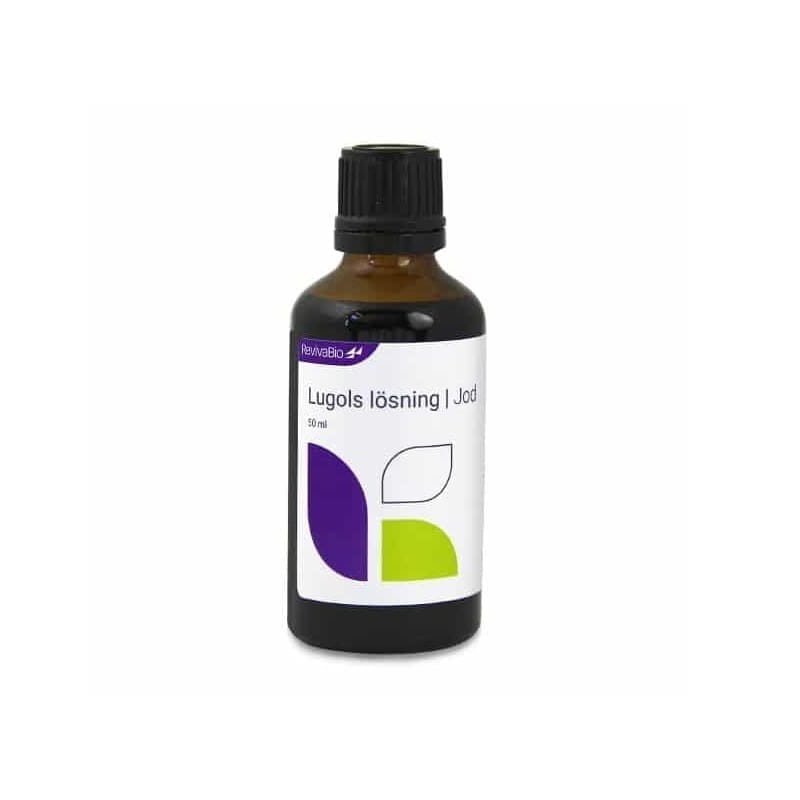
Lugol’s solution – liquid iodine
Lugol’s iodine is actually an old classic that was in every home’s medicine cabinet 100 years ago!
Today largely forgotten. There are many areas of use. It can is strongly antibacterial and can be consumed and also used topically.
Lugols contains liquid iodine (potassium iodide, i.e. iodine bound to potassium), which contributes, among other things, to the normal production of thyroid hormones and the functioning of the thyroid gland.
Iodine and potassium iodide promote:
Hormone production
Conversion of the amino acid tyrosine to the thyroid hormone thyroxine
Cell reactions
Oxygen turnover
Normal body temperature
Normal energy metabolism
Cognitive functioning
Function of the nervous system
Fresh skin
Protein turnover
Immune system
Detoxification of toxic metals such as aluminum, cadmium, lead,
mercury and the halides: bromides, chlorine and fluorine
Hair, nails, teeth
Absorption of carbohydrates in the small intestine
Uptake and function of vitamin A
Conversion of beta-carotene to vitamin A.
The need for iodine varies greatly from person to person. For some, one drop in a glass of water per day is too much and for others, two drops in a glass of water may be too little.
Some people take a drop of Lugol’s solution in a glass of water and then drink some of the contents every day. We also have customers who know they have a greater need who take two drops in the glass and drink it all in one day.
Dosage:
1 drop per day in a glass of water or as recommended.
Each drop contains 6,250 micrograms of iodine.
One drop contains:
Iodine 6.25 mg (4167% of the DRI*)
Potassium 2.5 mg (0.1% of the DRI*)
*DRI is daily reference intake
Ingredients: 50 ml distilled water, potassium iodide,
Storage: Store in a dry place at room temperature and out of reach of small children.
More about iodine
Iodine deficiency
Iodine is a fairly rare element, but it is essential for normal bodily and mental functions. It occurs in the surface layer of the earth’s crust and in seawater and is concentrated in large quantities in some aquatic plants such as algae in particular.
To prevent iodine deficiency, iodine is now added to table salt. The daily recommended amount of iodine is 150mcg per day (according to WHO..). However, opinions are divided on whether this is enough for optimal health. We believe that this is far too low and that iodized table salt is a useless source of iodine.
In Sweden, there is a bit of ‘iodine fear’, it is a vital substance that is quite harmless to use in supplement form. And iodine deficiency is much more common than previously thought.
There are also substances that can compete with iodine and thus cause iodine deficiency. For example, bromine compounds found in textiles and electronic products, and flour found in toothpaste.
Especially for those with symptoms of estrogen dominance
Iodine supplementation can be beneficial for those who have various symptoms of estrogen dominance such as fibroadenoma in the breasts (lumps, cysts, tenderness), uterine fibroids, heavy bleeding and even endometriosis.
Thyroid problems
If you have hypothyroidism and a slow metabolism, you can use iodine supplements. If you have Hashimoto’s disease, you should be a little careful with iodine, but this applies especially to potassium iodide.
Candida, bacteria and viruses
As iodine is a powerful antibacterial, it is also used to treat skin that has become fungally infected. If you are affected by troublesome Candida, molecular iodine may be for you.
| Weight | 0.01 kg |
|---|
Show only reviews in English ()
Be the first to review “Lugol’s Solution – Liquid Iodine RevivaBio 50 ml”
Related products
All products

All products


All products

All products

All products


All products
Reviews
There are no reviews yet.